

Why Monthly Duty Cycle Matters When Choosing a Printer
Selecting the right printer is not only about quality, speed, or price. A crucial factor often overlooked is the monthly duty cycle, which tells you how much work a printer can handle in a month without stress or damage. Understanding this number helps you choose a machine that can support your routine without breakdowns or unexpected maintenance. When matched correctly, it ensures smoother printing and longer device life.
Understanding What Monthly Duty Cycle Means
The monthly duty cycle reflects the maximum number of pages a printer can produce in one month under ideal conditions. It does not represent a recommended number, but rather the upper limit of what the device can tolerate. Knowing this helps you avoid using a printer beyond its capabilities, ensuring it remains dependable throughout everyday use.
How the Duty Cycle Is Calculated
Manufacturers determine this number through performance tests that measure how much the machine can deliver before strain begins. Although these tests reflect high-capacity scenarios, the information helps buyers compare different models and understand which machines are suitable for occasional printing versus consistent daily workloads.
Why It’s Not the Same as Recommended Use
The duty cycle is different from the recommended monthly volume, which is a more realistic measure of everyday use. While the duty cycle shows the upper boundary, the recommended volume gives a safe range for regular printing. Understanding both helps prevent unnecessary wear on the device.

Matching Printer Capacity with Your Daily Routine
Your printing habits directly influence which duty cycle range suits you. A device used lightly for home tasks will not experience the same demands as a printer supporting a busy small office. Choosing a machine with the right capacity ensures it can keep up comfortably.
Light Users and Lower Duty Cycles
If you print only a few pages a day, a lower duty cycle is usually sufficient. These models are compact, simple to use, and designed for light workloads. They perform well as long as they stay within their comfort range.
Moderate to Heavy Users
Users printing throughout the week, whether for study, work, or business tasks, require printers with higher duty cycles. These models handle larger volumes without slowing down or overheating. Matching your routine to the right capacity prevents strain and extends the device’s lifespan.
How Duty Cycle Affects Long-Term Performance
A printer consistently pushed beyond its limit will show signs of reduced quality, increased errors, and mechanical fatigue. Understanding the duty cycle prevents such issues and ensures reliable performance year after year.
Avoiding Frequent Breakdowns
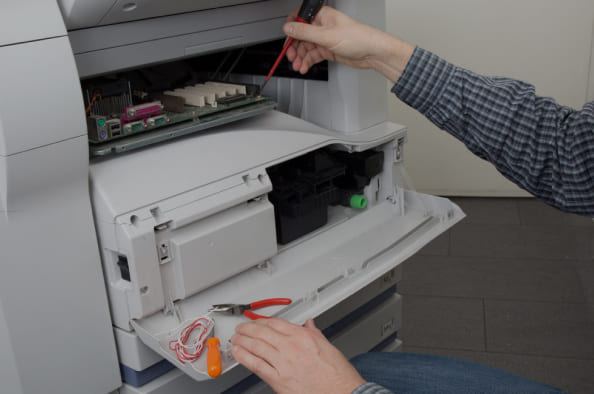
Overloading a printer frequently leads to paper feeding issues, overheating, and long-term mechanical damage. Choosing a model with sufficient capacity keeps the device stable, efficient, and smoother to operate.
Preserving Print Quality
A machine running within its recommended range maintains clearer text, better color stability, and consistent results. Staying inside safe usage limits prevents premature wear and helps preserve the quality you expect.
Making a Smart Printing Decision
Understanding the monthly duty cycle helps you choose a printer aligned with your true needs. When you match a machine's capacity with your daily habits, the device runs efficiently, lasts longer, and produces more stable results. Evaluating this specification before purchasing ensures you invest in a printer that supports your workload without stress, giving you dependable performance over the long term.


