

How Connectivity Options Shape Your Printing Experience
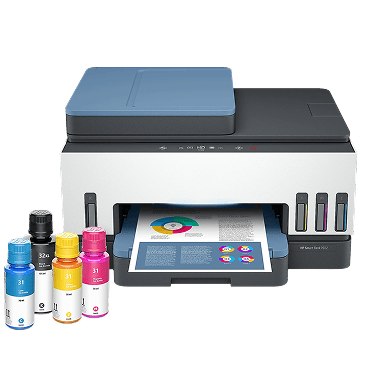
Printing today is no longer limited to plugging in a cable and waiting for a document to appear. Modern printers offer several ways to connect, making everyday tasks faster, smoother, and far more flexible. The right connectivity features can simplify work for individuals, families, and offices by reducing steps, minimizing delays, and supporting printing from multiple devices. Understanding these options helps you choose a printer that naturally fits into your daily routine.
Why Connectivity Matters for Everyday Printing
A printer’s connectivity determines how easily you can send documents to it. Whether you work from home, study, or run a small office, reliable and simple connection methods help reduce interruptions and make printing more comfortable for everyone.
Supporting Multiple Devices Smoothly
Most homes now use several devices such as phones, laptops, tablets, and desktops. A printer that supports all of them allows seamless transitions between tasks. Instead of switching cables or sharing a single computer, everyone can print effortlessly from their preferred device.
Reducing Delays During Busy Hours
When several people print at once, a weak or limited connection may cause interruptions. Stable connectivity handles multiple requests without slowing down. This consistency becomes especially valuable in spaces where quick document access improves workflow.
Exploring Common Connectivity Options
Different printers offer different ways to connect. Each option carries advantages depending on how you use your device and the environment it serves.
Understanding Wireless Connectivity
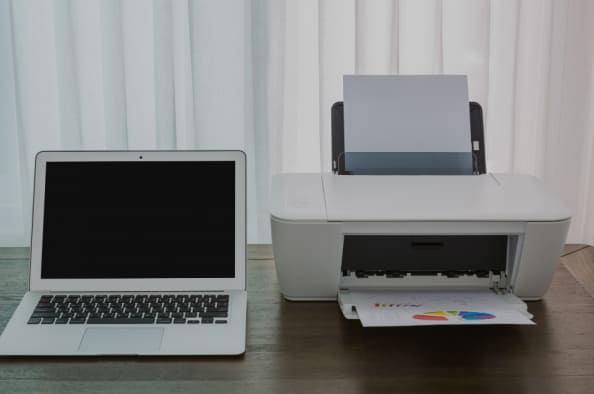
Wireless printing removes the need for cables and simplifies everyday use. It allows printing from anywhere within the network range, making it ideal for homes or offices where space is shared.
The Role of Traditional Wired Connections
Wired connections still hold value for users who prefer steady and predictable performance. They ensure consistent communication between the computer and printer, making them dependable for tasks that require reliability.
How Mobile Printing Changes Daily Workflow
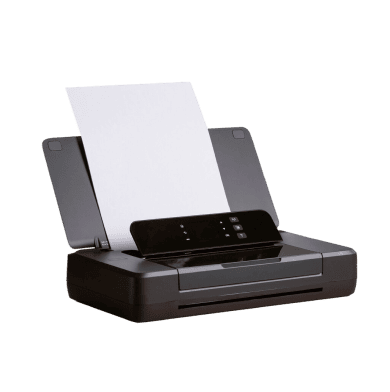
Mobile printing has become a practical necessity. It gives users the freedom to send documents directly from their smartphones, making last-minute tasks or urgent needs much easier to manage.
Convenience for Quick Printing Needs
Sometimes you need to print a form, ticket, or assignment immediately. Mobile printing supports such situations by allowing fast, direct access without turning on a computer.
Flexibility Across Different User Groups
Mobile printing helps everyone, from students completing homework to professionals sharing documents during meetings. It adds a layer of flexibility that matches the pace of modern routines.
Choosing the Right Connectivity for Your Space
Selecting the right connectivity options depends on how many people use the printer, how often printing occurs, and the type of work done.
Matching Features with Household Needs
Families often rely on several devices, making wireless and mobile options highly beneficial. Homes with fewer users may find a combination of wired and wireless options useful.
Supporting Workspaces with Consistency
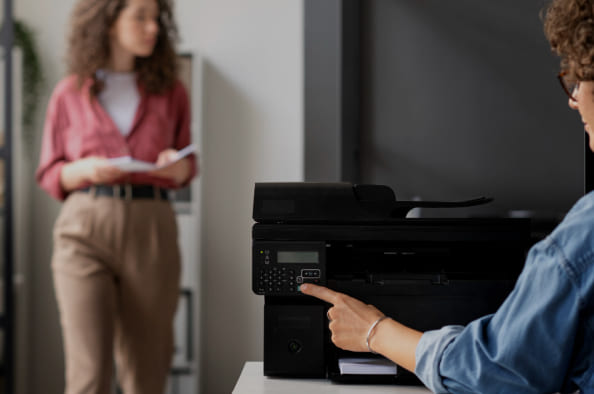
Offices or active work environments may prefer steady, uninterrupted connections. Choosing a printer with multiple connectivity choices ensures dependable performance, even during busy hours.
Choosing Connectivity That Fits Your Routine
Connectivity has become a defining factor in how printers support everyday tasks. When you match the right connection methods with your home or workspace habits, printing feels smoother, faster, and more reliable. Selecting features that fit your routine ensures a more effortless printing experience from day to day.


