

Understanding True Cost Per Page Before Buying a Printer
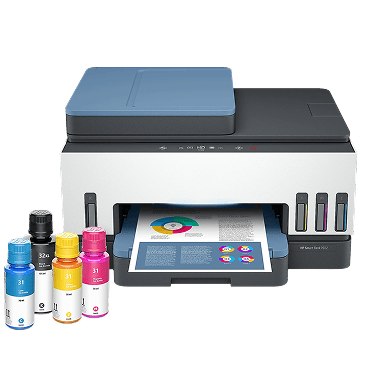
Buying a printer often seems straightforward until long-term expenses begin to show. The cost per page is one of the most important factors to understand before choosing any model because it determines how much you will actually spend over time. Instead of focusing only on the initial price, learning how cost per page works helps you plan smarter, avoid unnecessary expenses, and select a printer that truly fits your usage patterns.
What Cost Per Page Really Means
Cost per page reflects the amount you spend every time you print a single sheet. It is calculated by dividing the price of ink or toner by the number of pages it can produce. Understanding this number makes it easier to compare printers and find one that supports your daily or monthly workload without stretching your budget.
Breaking Down the Basics
Every ink or toner refill has a page yield, which represents how many pages it can print before it needs replacement. A lower cost per page means each refill lasts longer and printing remains economical. This simple calculation helps you recognize long-term value rather than relying on upfront pricing alone.
Why It Matters for Regular Users
If you print frequently, even a small difference in cost per page adds up over time. A printer that appears affordable at first may become expensive to maintain. Recognizing this helps you avoid models that cost more in refills than the machine itself.

How Page Yield Influences Long-Term Costs
Page yield plays a central role in determining how often you buy new supplies. The higher the yield, the longer your ink or toner lasts. This directly affects cost per page and helps you choose a printer that supports your habits efficiently.
Understanding Standard and High-Yield Options
Some supplies come in different yield capacities. Standard options work well for occasional printing, while high-yield versions suit users with frequent or heavy workloads. Choosing the wrong type can result in unnecessary expenses or frequent replacements.
Finding the Right Balance
The goal is not always the highest yield but the most practical one. If your printing is light, high-yield supplies may not provide real benefits. Matching your usage with the right yield ensures the cost per page remains reasonable.
Considering Ink and Toner Efficiency
Efficiency varies across printers, and this influences how much you pay per page. Some models manage ink usage smarter, while others consume more even with similar print volumes.
Recognizing Everyday Efficiency
Efficient machines use ink or toner more thoughtfully, producing clear prints without excessive consumption. This helps maintain steady long-term costs and prevents refills from becoming frequent interruptions.
Identifying Inefficient Patterns
If a printer drains ink quickly or shows uneven usage, your cost per page naturally increases. These patterns usually appear over time, making it important to choose models known for balanced consumption that align with daily or office-level printing.
Matching Cost Per Page With Your Printing Habits
Choosing a printer becomes easier when you compare the cost per page with how you print. This ensures you get a device that stays economical throughout its lifespan.
For Light or Occasional Printing
If you print rarely, focus on printers that offer moderate supply costs instead of high-volume designs. A balanced cost per page ensures you do not overpay for features you do not need.
For Frequent or High-Volume Printing
Regular or heavy users benefit from printers with lower cost per page and higher-yield supplies. This keeps expenses controlled and reduces the frequency of replacements.
Making Cost Per Page Work in Your Favor
Understanding cost per page empowers you to make a thoughtful and informed decision before buying a printer. When you consider page yield, efficiency, and your own printing habits, you gain a clearer picture of long-term expenses and avoid hidden costs.


