


Ink vs. Toner: What’s Better for Your Printing Needs
Choosing between ink and toner is one of the first decisions people face when buying a printer. Both options are designed to offer reliable printing, but they perform differently depending on your daily tasks, print quality expectations, and long-term usage patterns. Understanding how ink and toner work helps you identify which option aligns better with your routines, budget, and the type of documents you produce most often.
Understanding How Ink and Toner Work
Ink and toner may seem similar because both are used to create printed pages, yet their composition and printing methods differ significantly. Knowing these basics helps you select a printer that fits your printing habits without unnecessary complications.
What Ink Cartridges Are Designed For
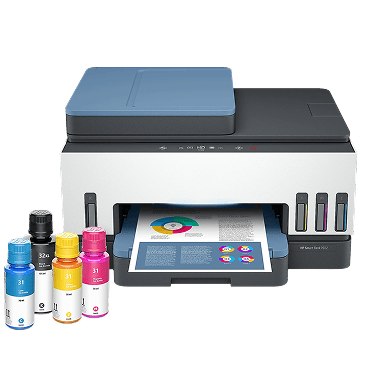
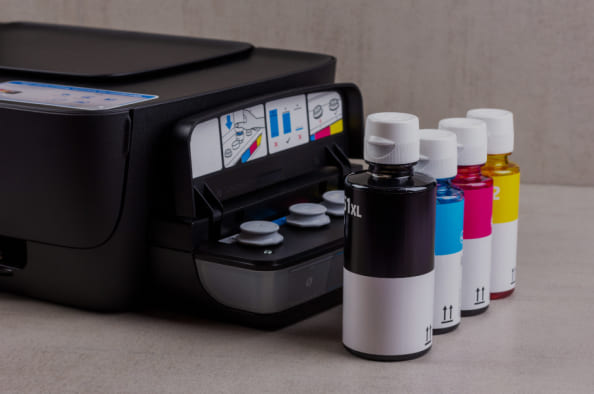
Ink relies on a liquid-based formulation. This makes it suitable for everyday text, school assignments, casual color prints, and home-use tasks. Its fluid composition allows for smooth blending, making it helpful when producing detailed color variations or clean gradients for simple graphics.
How Toner Functions in Everyday Printing
Toner uses a fine powder that is fused onto paper. This method supports crisp text and consistent output, especially during frequent or high-volume tasks. It maintains clarity over long print runs and is generally stable across a variety of paper types, offering dependable performance for daily document printing.
Comparing Print Quality and Output Strengths
Print quality becomes an important factor when choosing between ink and toner. Each option has strengths that suit different needs, whether for schoolwork, office documents, or casual creative use.
Where Ink Performs Best
Ink is capable of producing smooth shades and natural color transitions. This makes it appropriate for image-rich pages or documents requiring softer color details. Casual users who print a mix of text, worksheets, and simple visuals often find ink sufficient for their everyday routines.

Why Toner Offers Consistent Clarity
Toner provides sharp, uniform text output, which is helpful for documents that must remain clear and professional. Its fine powder formulation supports clean lines and consistent results, even during larger batches.
Examining Speed, Volume, and Daily Efficiency
Your workflow influences whether ink or toner feels more convenient. Some users print occasionally, while others rely heavily on their printers throughout the day.
Ink for Occasional or Light Printing
If printing needs are modest, ink-based options offer a simple, manageable solution. They handle light volumes smoothly and work well for households that print only when necessary.
Toner for Regular or Higher Print Volumes
Toner-based printers usually operate at faster speeds and remain stable across long print sessions. They are well-suited for daily document printing or repeated work cycles that require reliability.
Considering Long-Term Costs and Maintenance
Cost plays a major part in selecting a printing method. Both ink and toner involve ongoing expenses, but their cost patterns differ.
Ink’s Cost Pattern for Everyday Use
Ink may require more frequent replacement depending on how often you print. While it is suitable for low-volume users, it becomes less economical for heavy daily use. Understanding expected page output helps you manage long-term expenses more effectively.
Toner’s Efficient Page Yield
Toner generally offers higher page yield, meaning it lasts longer before needing replacement. This can reduce ongoing costs for regular or high-volume printing. Over time, many users find toner more predictable in budgeting and maintenance.
Which Option Fits Your Printing Style?
Ink and toner each have their advantages, and the better choice depends on your printing habits rather than overall popularity. If you print occasionally and value smooth color transitions, ink may suit your home environment. If your daily work requires sharp text, consistent performance, and steady output across larger volumes, toner often becomes the more practical option.


